It’s been a few months since the mHealth Summit in December, giving me a little time to contemplate and write down my thoughts regarding the last event.
I must say, I had a strange feeling this time when I attended. At first I couldn’t really put my finger on what was different or missing. Eventually, I realized that I reserved myself for a whole week to attend an event that was divided in half. The first part of the week mainly targeted commercial entities, businesses that were there to demonstrate their latest products and sell. Their exhibits are grandiose; they have lots of products on display and sales people. This is where partnerships are made, deals are started and deals are closed, not to mention big parties.
The latter half of the week was left for the development sector: NGOs, nonprofits and social entrepreneurs, the folks working on the ground, deploying pertinent services to developing countries. They are more group discussion-based, strategic, and rallying to work together and speak best practices, but partnerships and deals are made here too. More
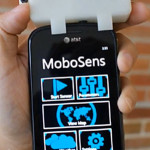 As we head into 2015, the company continues to make great strides to help enable citizen scientists around the world in their efforts for cleaner water. In the past six months, MoboSens designed, manufactured and tested its multiplexed water sensors for nitrate, nitride, ammonia and phosphate for mobile phones. The company also worked on improving the sensor storage condition in the sensor to prolong the sensor’s lifetime. In addition to these technology developments, MoboSens is gaining traction in mobile phone sensor use in the U.S. Midwest and is exploring the application of the company’s technology in the medical field.